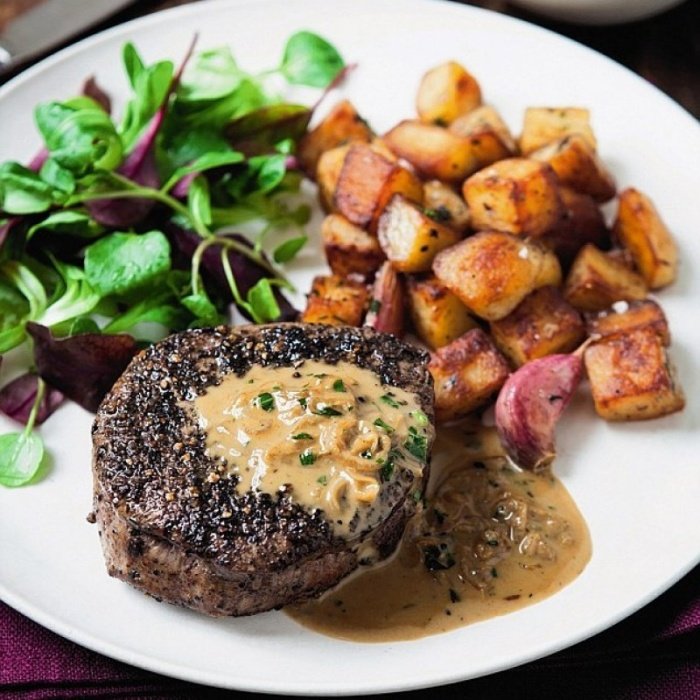
Aged Ribeye
45-day dry aged, bone marrow butter
A guest scans the QR code on the table, or taps the NFC tag behind it, and your menu opens in the browser they already have. Big pictures, short names, prices in your own currency, and no sign-up standing between them and the food.
Not just our opinion: in a study of menu evaluations, a dish shown with a descriptive name and a photograph was more likely to be ordered than the same dish without one. Hou, Yang & Sun, International Journal of Hospitality Management, 2017
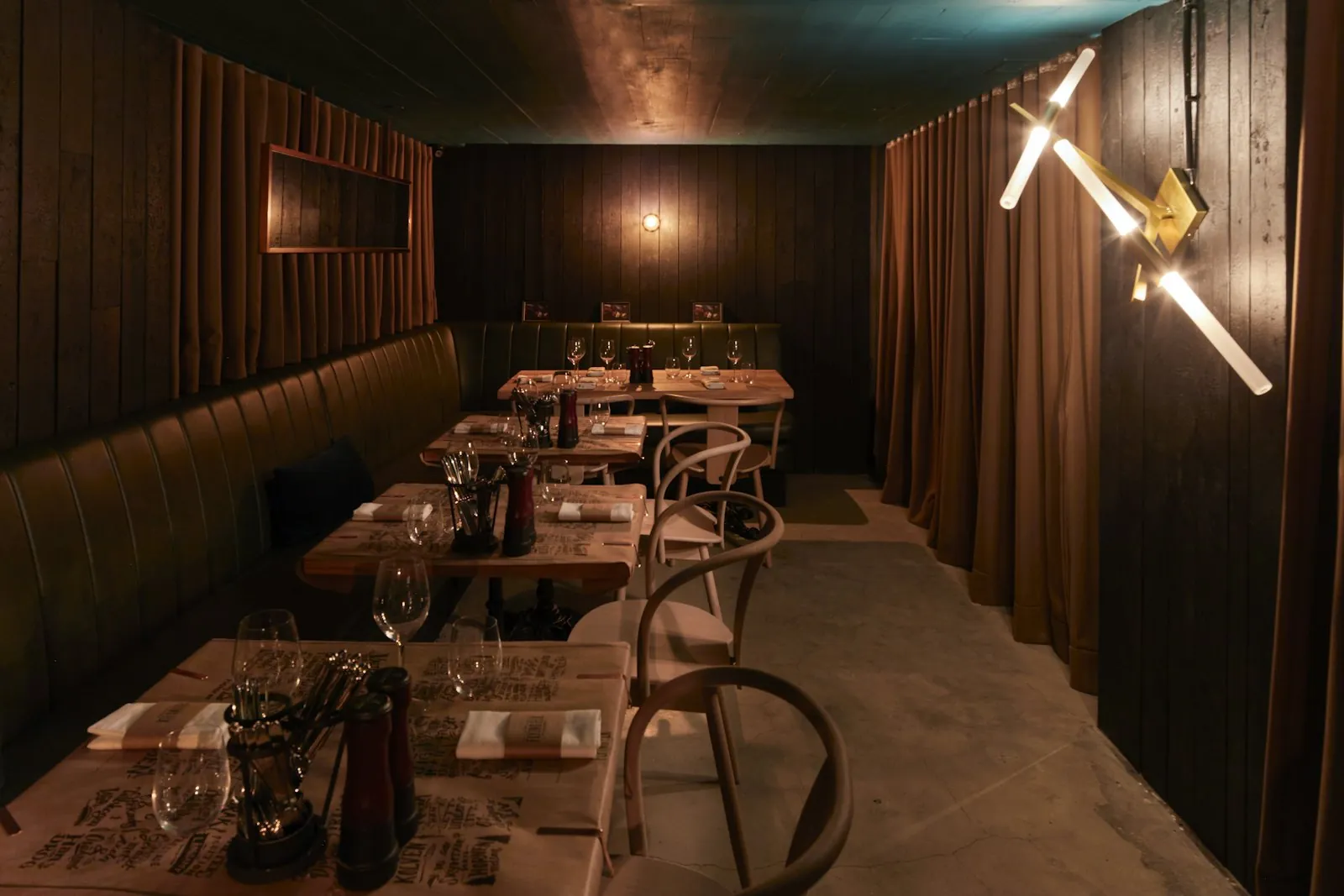
Not an app with sections and settings. One page a guest scrolls, in your photography, that does four things and stops.
45-day dry aged, bone marrow butter
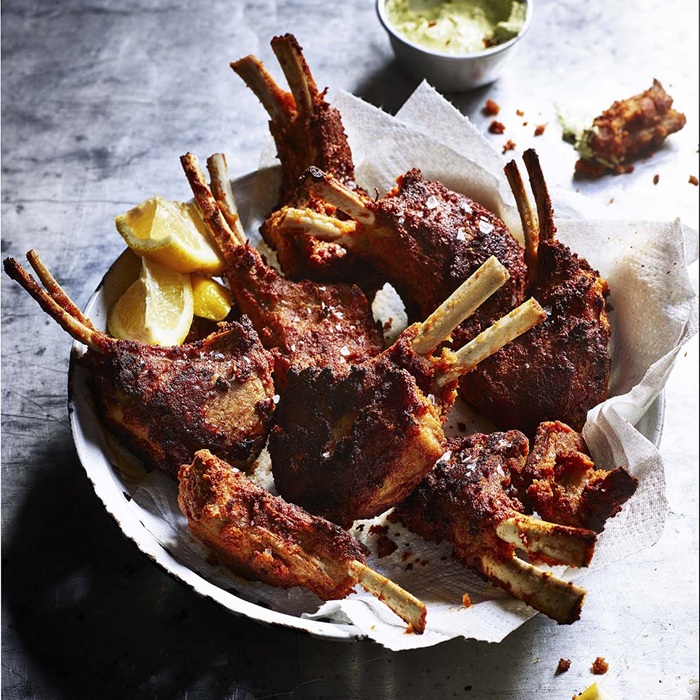
Shoulder, ginger, long chilli
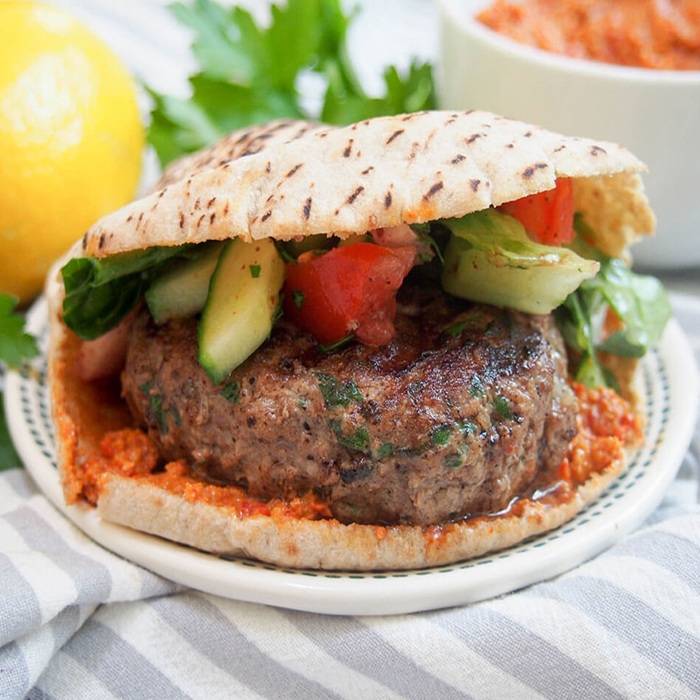
Minced lamb, cumin, flatbread, pickles
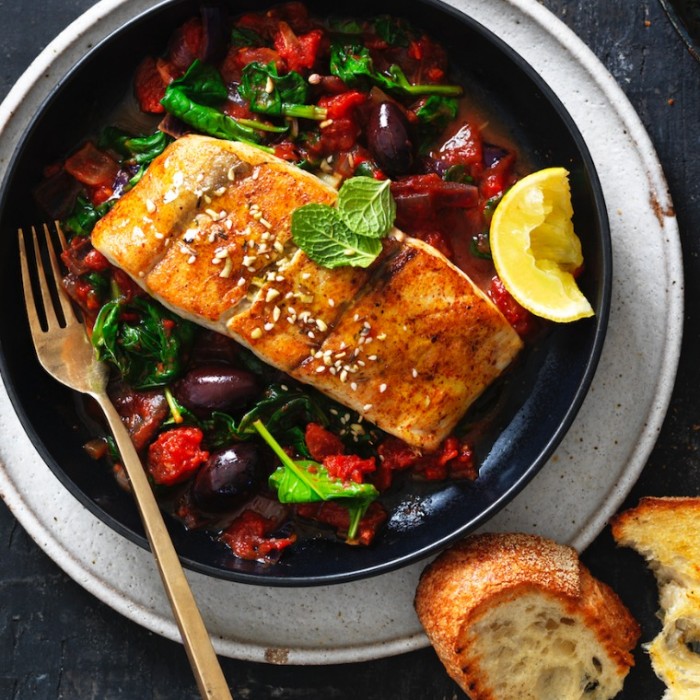
On the bone, preserved lemon, herbs
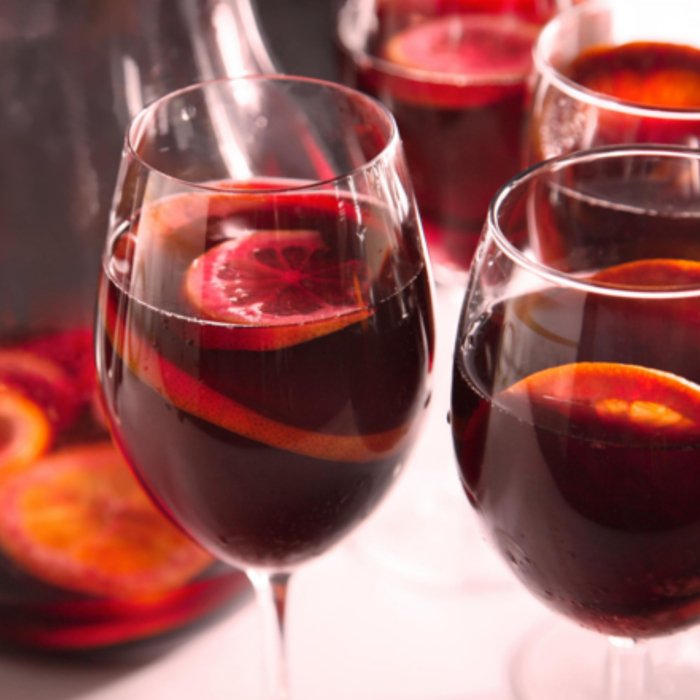
Goes with the Aged Ribeye
Malbec, Mendoza
01 / 04
No splash screen, no cookie wall, no choice of language before they have seen a plate. The tag opens straight onto your photography, because the guest came to eat and the software should get out of the way.
02 / 04
A picture of the plate you actually send out, at a size worth looking at. This is the whole reason a table spends more: not persuasion, just a guest who can see what the thing looks like before they commit to it.
03 / 04
The moment a dish goes into the order, the one thing your chef put with it appears underneath. Once, quietly, and never while they are still choosing. A suggestion that interrupts a decision is an advert; one that follows a decision is service.
04 / 04
The bill is already open on the phone that ordered. Nobody flags down a server, nobody waits for a card machine, and the table turns when the guests decide it does rather than when the floor gets to them.
The whole journey happens in the browser that is already open on their phone. The tag carries a printed code as well as a chip, so a phone that will not read one reads the other.
01
The tag on the table carries an NFC chip and a printed QR code. Either one opens the menu. No app store, and no typing a web address off a card.
02
Your photography at full width, your prices in your own currency, your sections in your own order.
03
The pairing your chef set appears underneath, once, and only after the dish is in the order.
04
The bill is already on the phone that ordered. They pay, they get a receipt, they leave when they want to.
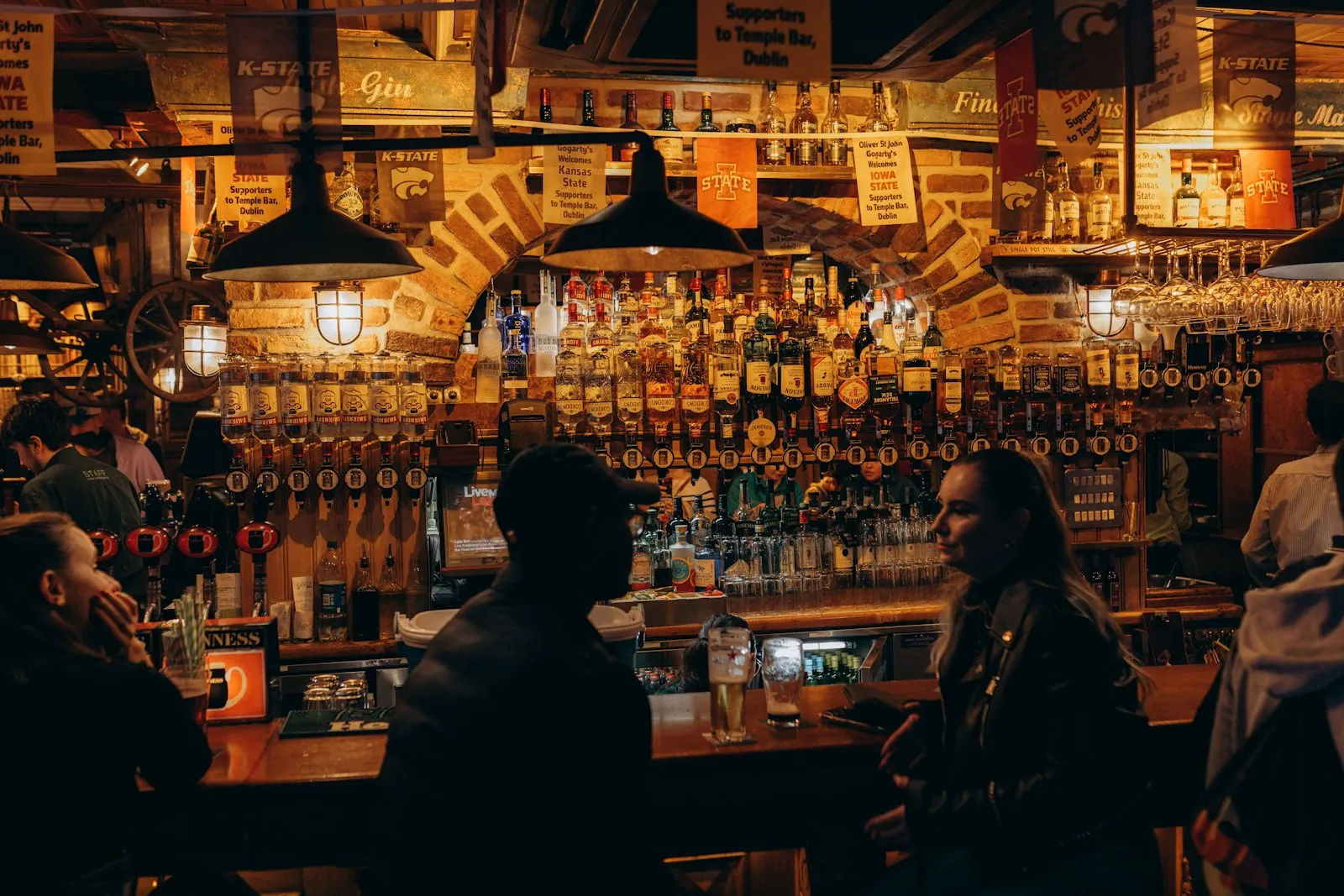
Your chef sets one thing that goes with each dish. It appears the moment a guest adds that dish and never before. Not the house favourite, and not the best margin.
Every dish is mapped against the same nine flavour axes, so a suggestion follows the plate rather than the price list. A guest can tell the difference, which is the only reason the second one gets accepted too.
Never a carousel and never a second attempt. A menu that asks twice is a menu a guest starts ignoring.
It appears after the dish is added, not while they are still choosing. Nothing interrupts the part they came for.
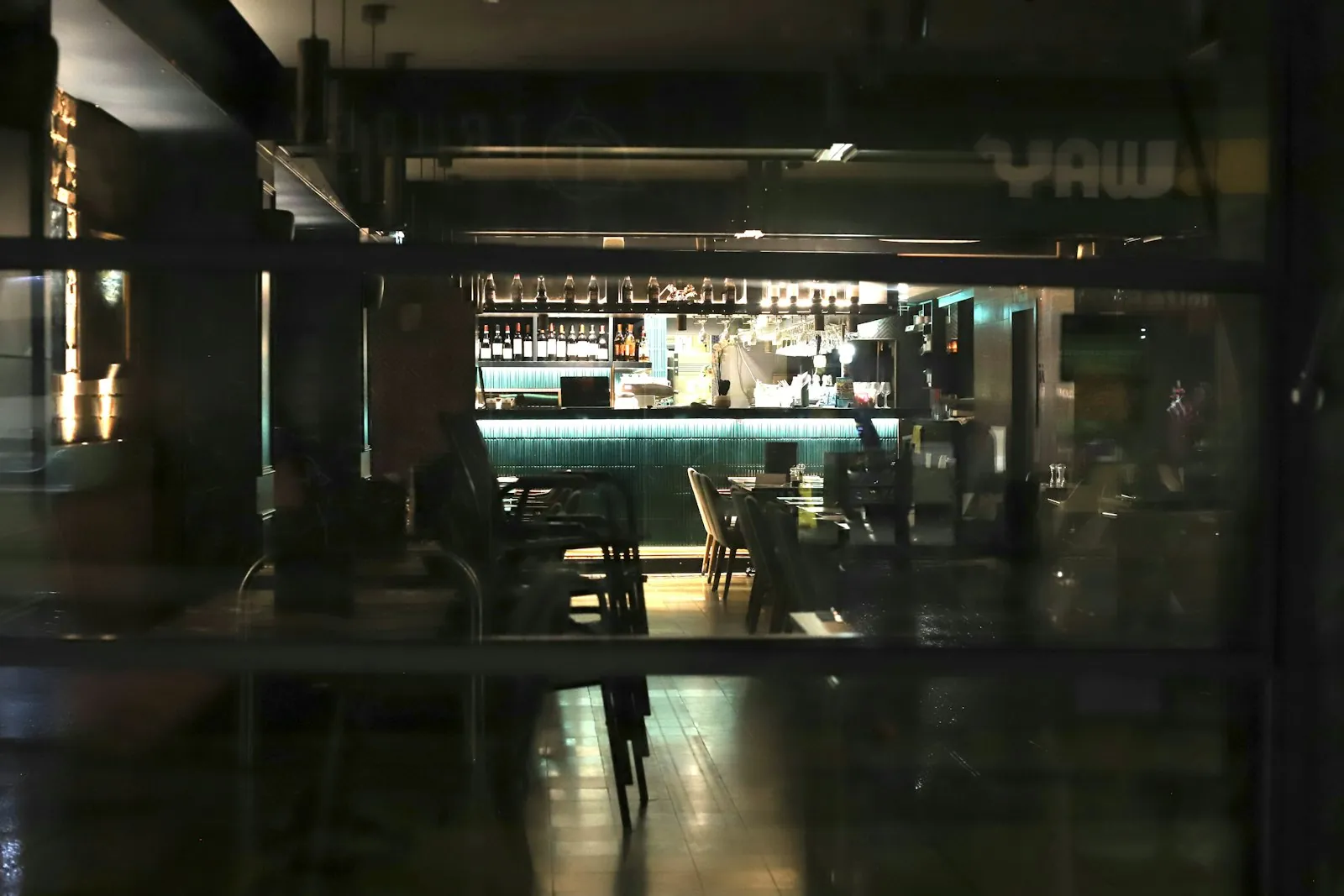
Mark a dish gone from behind the bar and it greys out on every phone in the room straight away. Nobody orders the thing you cannot send, and no server walks back to a table to apologise for it.
Taken from the questions owners raise on the first call, answered here rather than in a help centre nobody opens.
Conflicts show on the dish itself rather than as a badge on the card. A guest who needs the information gets all of it; everyone else gets a clean menu.
A server takes the order the way they always did. Nothing about the room depends on this working, which is the point of it sitting in front of your systems rather than replacing them.
Everyone orders from their own phone against the same table. One tag, one bill, and nobody passes a handset round.
They find it faster. The tag is the only new object on the table and it looks like part of the setting rather than part of a system.
Their first name, if they give one, is kept on their own phone so a second visit can open with it. No names, numbers or addresses are stored on our side, so there is no customer list here to lose.
0
Guest accounts to create, ever.
0
Phone numbers or email addresses stored.
1
Thing on their device: the name they typed.
The tap on the table is the only credential there is. It is also the proof they are in the room, which is the only proof this needs.
We build one section of your menu from your own photography, fit the tags in person and run it for thirty days. No setup fee, no contract, and nothing to cancel at the end.